
Best Garage Gym Flooring in the UK (2026): Rubber Tiles vs Rolls vs Mats
Choosing the best garage gym flooring comes down to three things: how you train, what your subfloor is, and how much noise/protection you need. In most UK garages, rubber tiles are the best all-round option because they’re easy to fit, easy to replace, and give you consistent grip and protection.
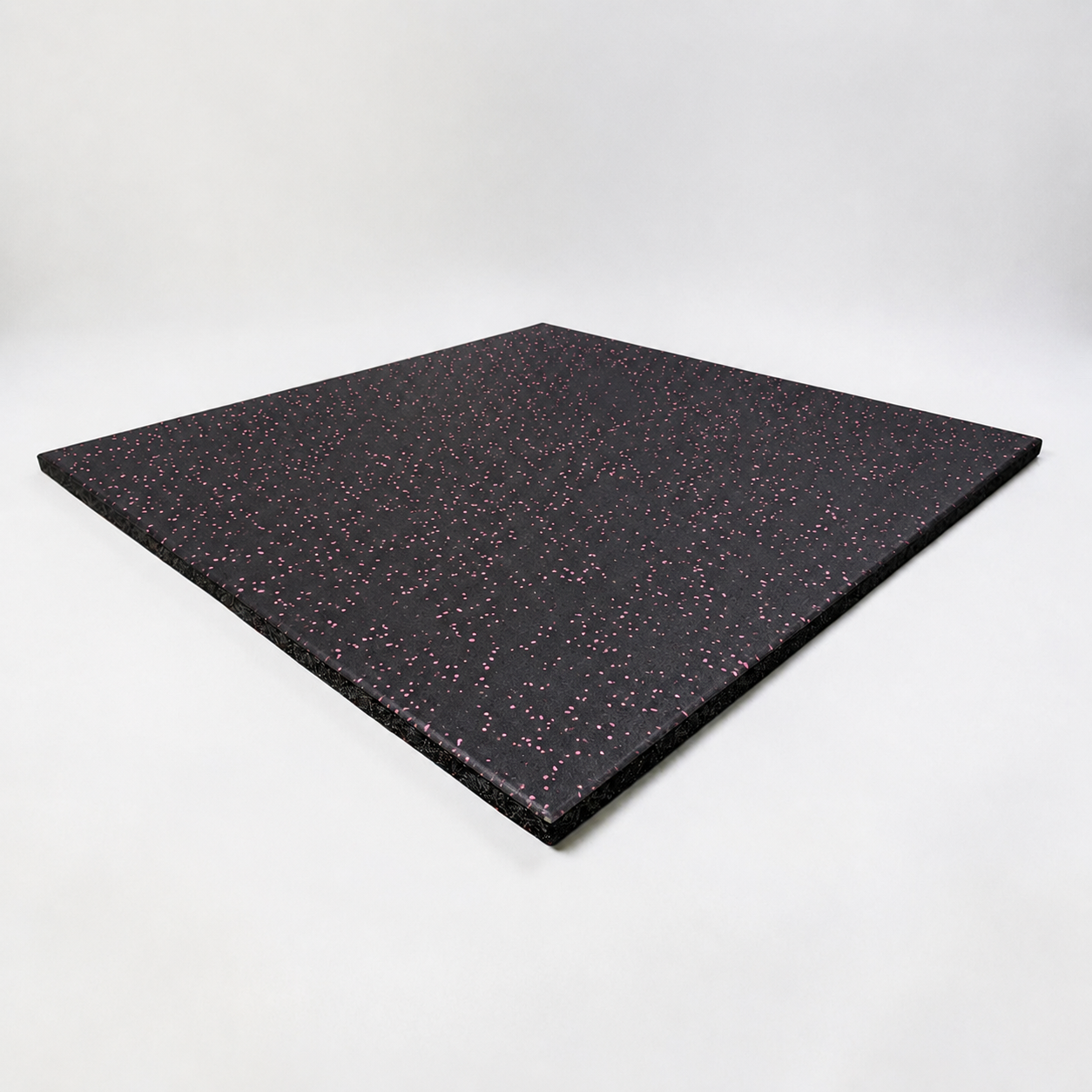
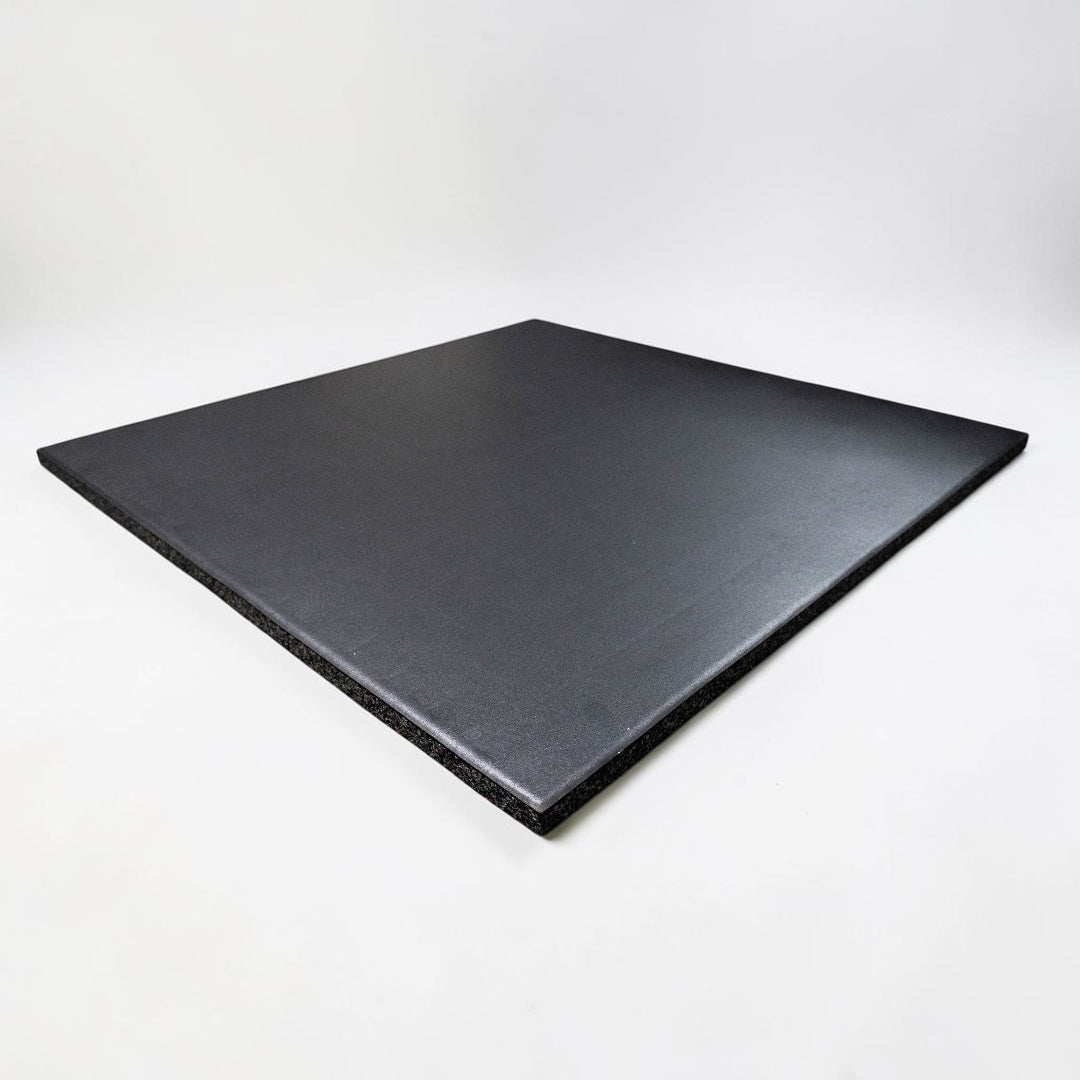
If you want a quick recommendation: for most home gyms, start with GGF Classic Series for dependable performance; step up to GGF Luxe Series if you want a more premium finish and feel; choose GGF Designer Series if you want a standout look (and a floor that feels like a proper studio).
Quick answer: what’s best for your garage gym?
-
General training (dumbbells, benches, functional work): Rubber tiles are usually best.
-
Heavy lifting (power rack, deadlifts): Rubber tiles (often thicker) or a platform + tiles setup.
-
Cardio machines (treadmill/rower/bike): Tiles or mats under the machine, depending on footprint.
-
Fastest install on a clean, square space: Tiles.
-
If you hate seams and want a “one-piece” look: Rolls can work, but they’re harder to handle in garages, and if damaged they are hard to replace.
Option 1: Rubber gym flooring tiles (best all-round)
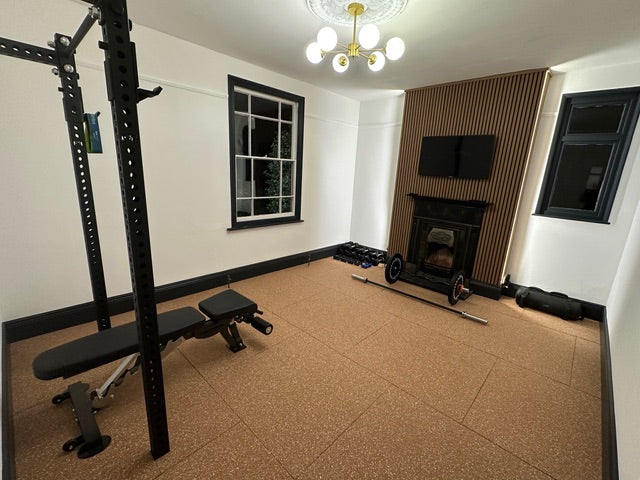
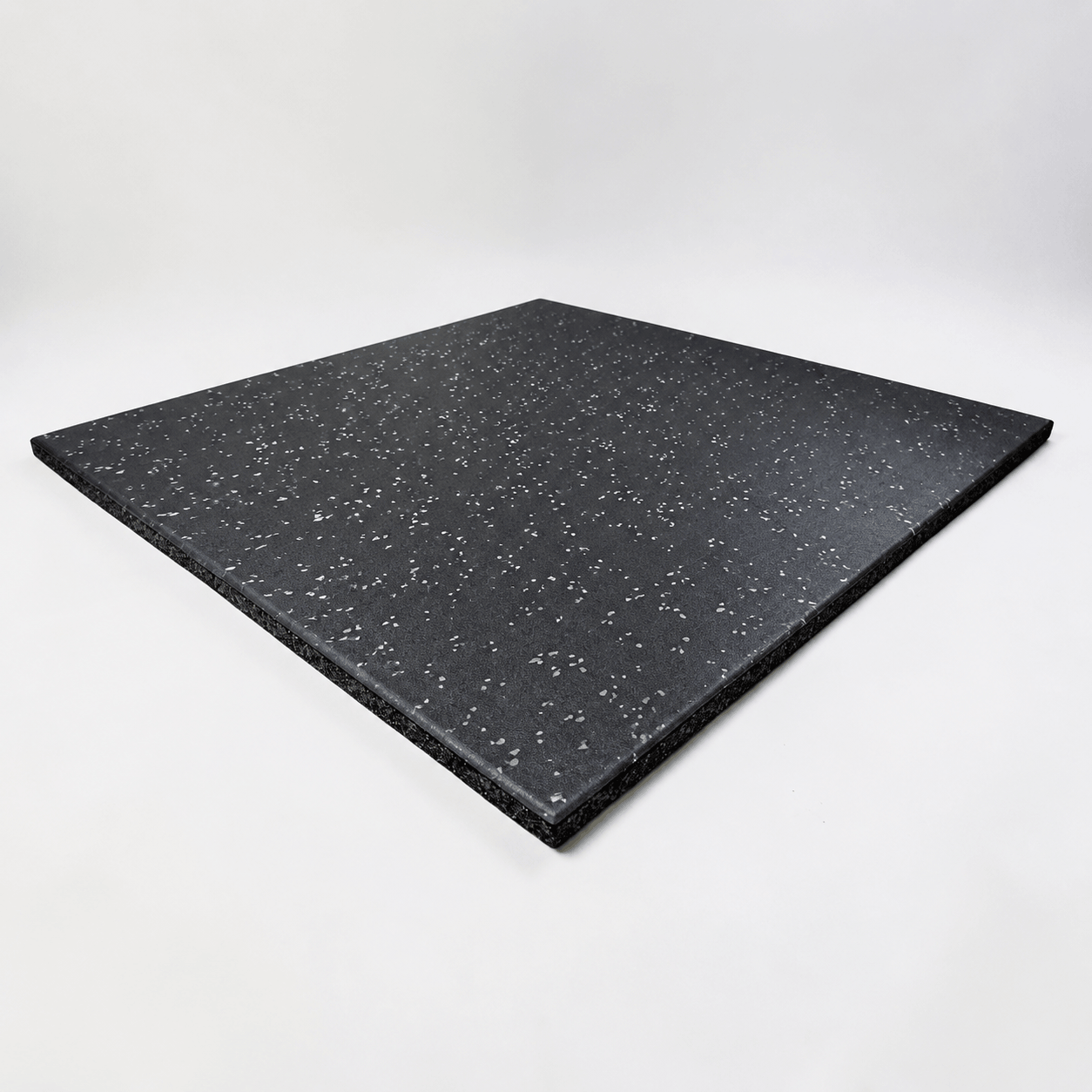
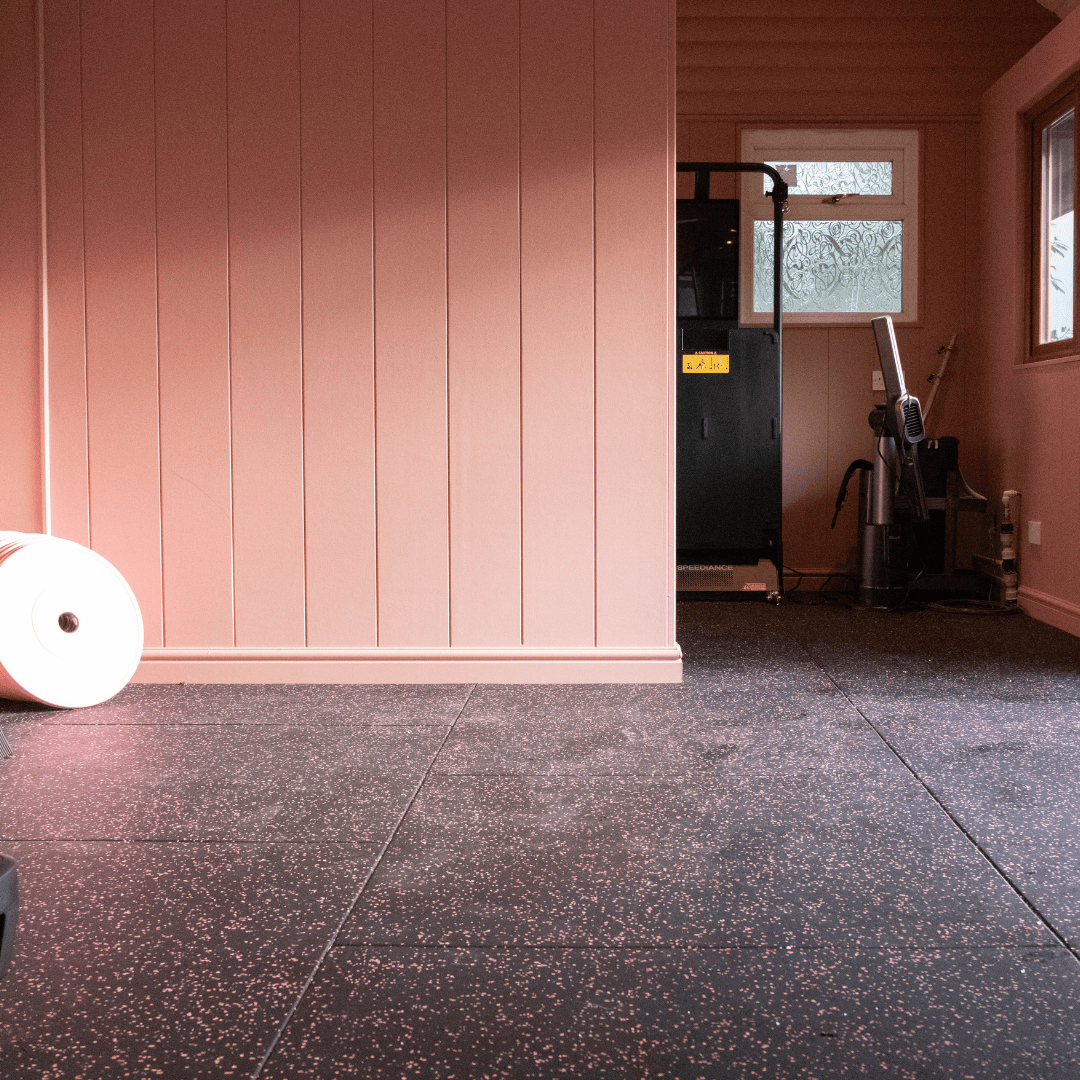
Rubber tiles are the most popular choice for garage gyms because they’re practical: you can carry them through a standard door, fit them in sections, and replace a single tile if you ever damage one.
Best for: most garage gyms, especially where you’re mixing lifting + general training.
Why tiles win in most UK garages
-
Easy to install without specialist tools
-
Modular (great if your gym evolves over time)
-
Simple to repair (swap one tile, not the whole floor)
-
Consistent grip and stability under racks and benches
Which GGF series should you choose?
-
GGF Classic Series: the reliable, no-nonsense choice for most home gyms.
-
GGF Luxe Series: a more premium look/finish if you want your garage gym to feel “next level”.
-
GGF Designer Series: ideal if aesthetics matter (content creation, client visits, or you just want it to look unreal).
-
Browse garage gym flooring tiles: https://garagegymflooring.com/
Option 2: Rubber flooring rolls (good, but not always garage-friendly)
Rubber rolls can look great and reduce the number of seams, but they’re awkward to manoeuvre in a typical UK garage. They can also be less forgiving if your concrete isn’t perfectly flat.
Best for: larger, open spaces where you can unroll easily, and where you want fewer seams.
Pros
-
Fewer seams (cleaner look)
-
Can be fast to lay in big rectangles
Cons
-
Heavy and awkward to position
-
Harder to cut neatly around posts/steps
-
If a section gets damaged, replacement is more involved
If you’re set on a “seam-minimised” look, you can often get a similar feel by planning your tile layout carefully and keeping cuts to the perimeter. Probably not the best bet for garages in truth.
Option 3: Gym mats (useful for specific zones)
Mats are best as targeted protection rather than full-room flooring.
Best for: cardio corners, under a heavy bag, or as a temporary setup.
Pros
-
Quick to place
-
Great for protecting a small area
Cons
-
Can shift over time
-
Edges can curl
-
Hard to make a full garage look tidy and professional
- Aren't of great quality
How to choose: 4 questions that decide the right flooring
1) What’s your training style?
-
Powerlifting / heavy barbell work: prioritise protection and stability.
-
Cross-training / functional: prioritise grip and comfort underfoot.
-
Mixed training: tiles are usually the best compromise.
2) What subfloor are you installing over?
-
Concrete (most garages): ideal base for rubber tiles.
-
Paving slabs: workable, but check for uneven joins.
-
Timber base (garden room): you’ll want stability and load spread.
3) Do you need noise and vibration control?
If you’re attached to neighbours or you train early/late, thicker rubber and smart zoning (e.g., a lifting area) makes a big difference.
4) Do you want full coverage or a “lifting zone” setup?
A lot of people don’t need to floor the entire garage. A common approach is:
-
Full coverage where you walk and train
-
A reinforced lifting zone under the rack/barbell area
Common mistakes (and how to avoid them)
-
Buying too thin for heavy lifting: it can feel fine… until you start loading properly.
-
Not planning cuts: measure door frames, steps, and posts before ordering.
-
Ignoring moisture/dirt: garages get dusty. Choose flooring that’s easy to clean and keep a simple routine.
FAQs
Is rubber tile flooring good for deadlifts?
Yes—rubber tiles are a strong choice for deadlifts, especially if you combine them with good technique and sensible protection in your lifting zone.
Do I need to glue garage gym flooring down?
In many garage gyms, tiles can be laid as a “floating floor” (tight fit, good layout). Glue is usually only needed in specific scenarios or edging.
How do I keep my garage gym flooring clean?
A regular sweep/vacuum plus occasional mop is usually enough. The key is keeping grit off the surface so it doesn’t act like sandpaper. But if you are keen to keep a tidy garage gym, our luxe series is much easier to clean.
Next step: choose your series and plan your layout
If you want the easiest route to a great-looking garage gym, start by choosing the finish you want:
-
Classic Series for dependable performance
-
Luxe Series for a premium feel
-
Designer Series for a standout studio look
Then measure your space and decide whether you want full coverage or a zoned setup.
Start here — https://garagegymflooring.com/