

What Thickness of Gym Flooring Do I Need? (15mm vs 20mm vs 30mm)
If you're choosing garage gym flooring, thickness is the decision that affects floor protection, noise, stability, and how solid your gym feels. For most UK garage gyms, 15mm is great for light-to-moderate training, 20mm is the best all-rounder, and 30mm is ideal for heavier lifting and a more premium feel.
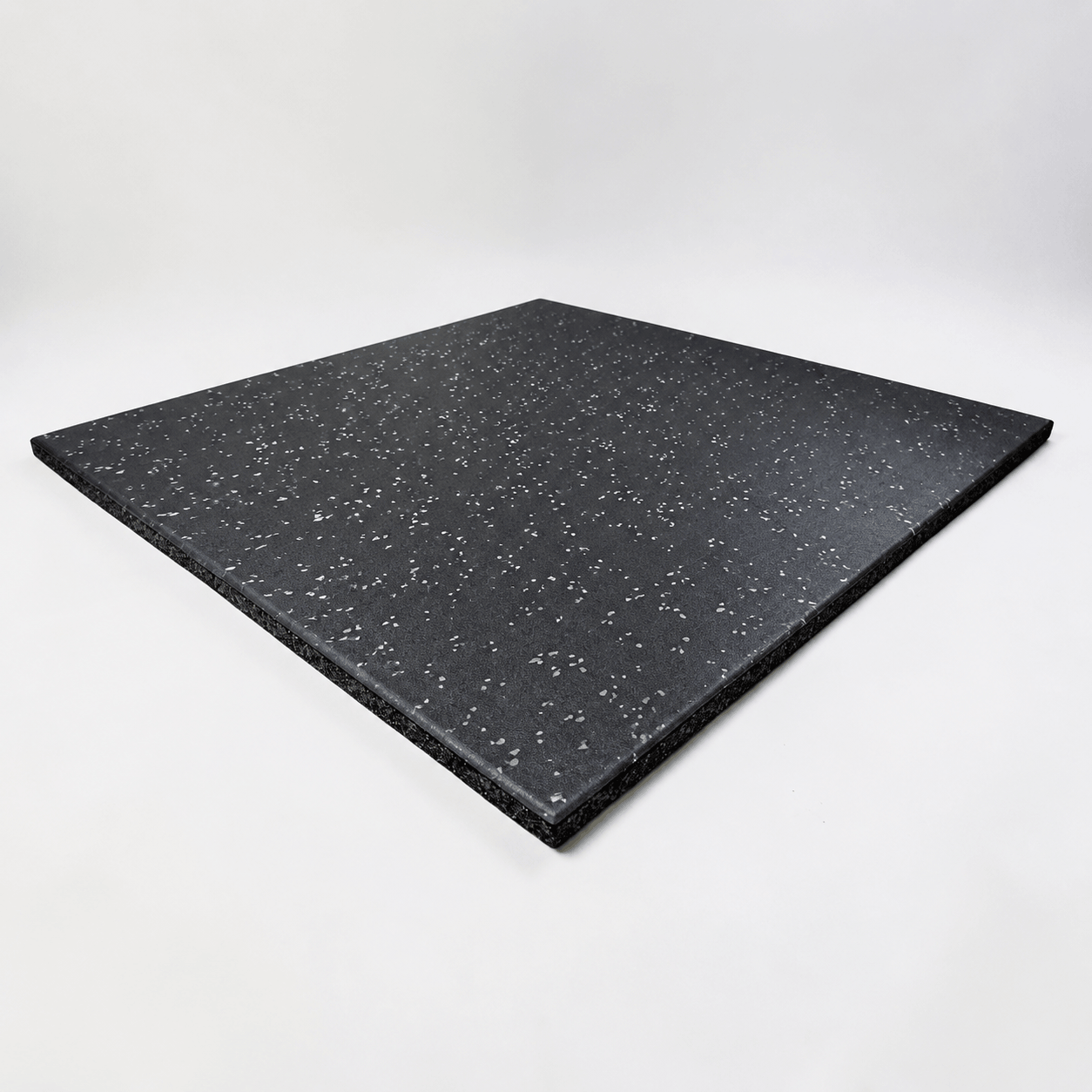
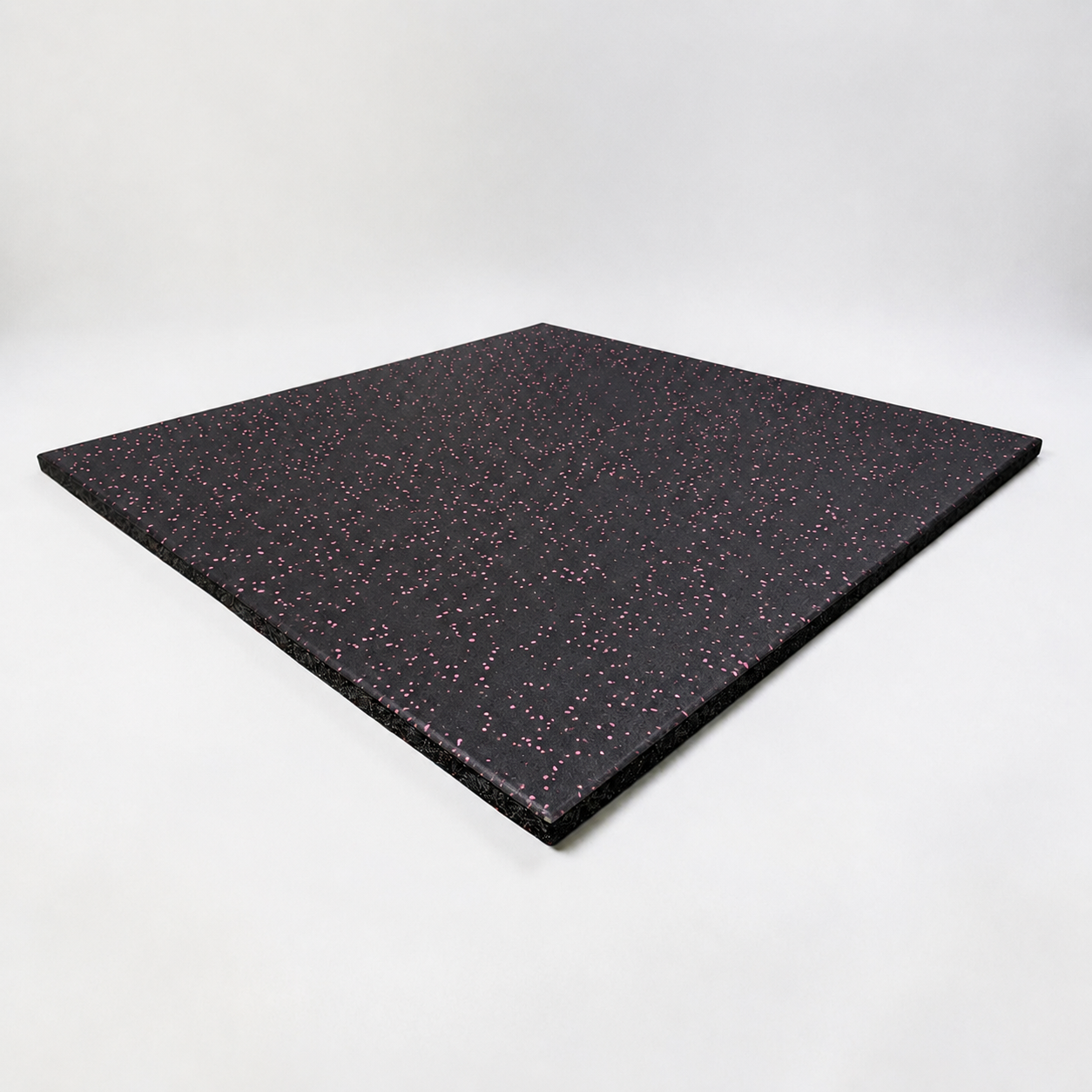
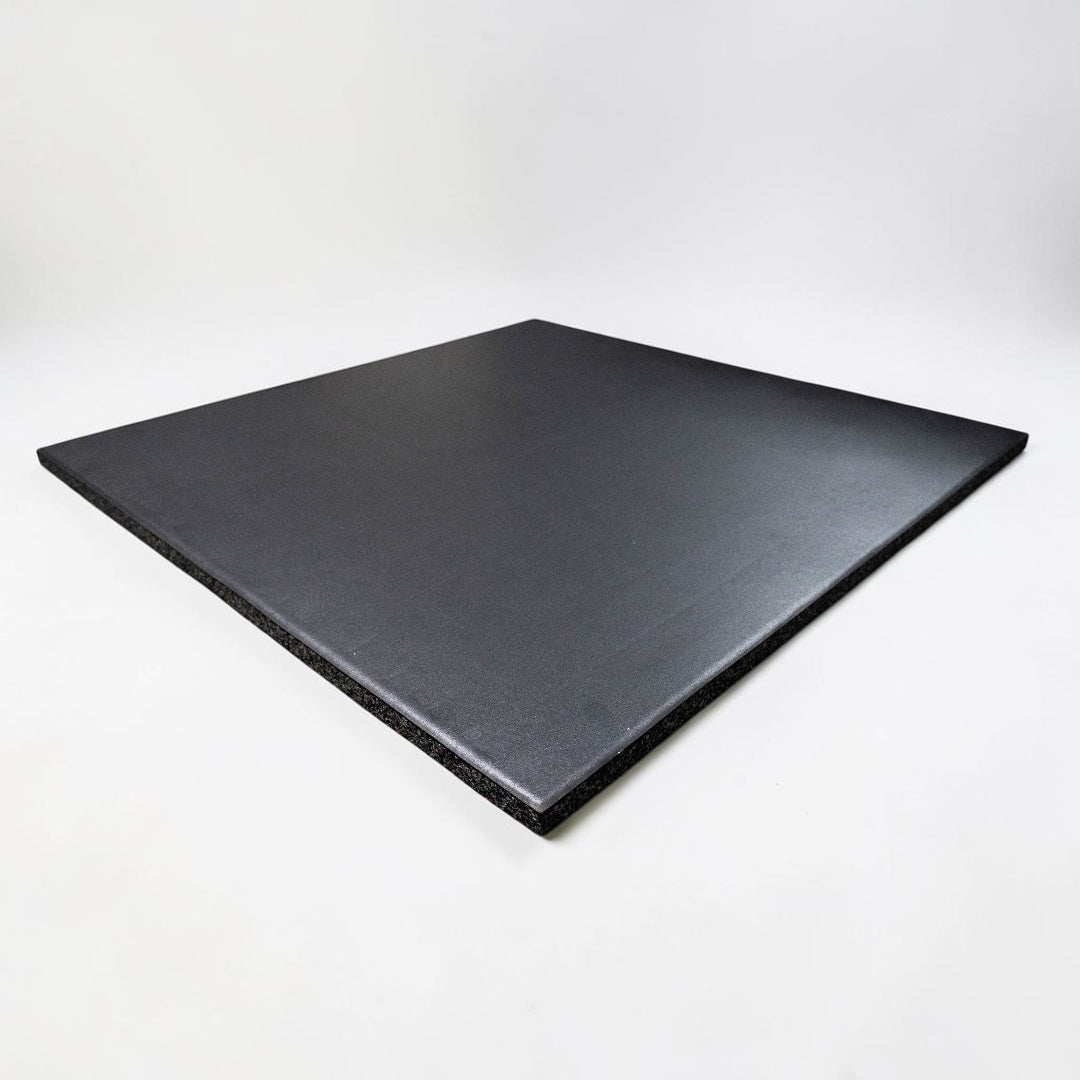
If you want the simplest route: start with GGF Classic Series for a dependable home gym setup, and step up to GGF Luxe Series if you want that thicker, more commercial feel (30mm is largely the Luxe territory). If you care most about aesthetics, GGF Designer Series gives you a standout studio look.
-
Classic Series: https://garagegymflooring.com/collections/classic-series-gym-flooring
-
Luxe Series: https://garagegymflooring.com/collections/luxe-series-gym-flooring
-
Designer Series: https://garagegymflooring.com/collections/designer-series-gym-flooring
Quick recommendations (most common setups)
-
15mm rubber flooring: light-to-moderate training, dumbbells, benches, cardio machines, spare-room style garage gyms.
-
20mm rubber flooring: most garage gyms, mixed training, great balance of protection and value.
-
30mm rubber flooring: power racks, heavier barbell work, better noise reduction, and maximum protection from the options above.
What changes the answer? 4 factors that matter
1) Your training style (and how you put weights down)
-
General strength training (controlled reps): 15mm or 20mm is often enough.
-
Heavier barbell work: 20mm minimum for most people; 30mm if you're loading properly and training consistently.
-
Mixed training: 20mm is usually the best all-rounder.
2) Your subfloor (what's underneath the rubber)
-
Concrete (most UK garages): ideal base; thickness mainly depends on training load and noise.
-
Uneven concrete / old garage slabs: thicker flooring can help, but you should still address major high/low spots.
-
Timber base (garden room): stability and load spread become more important; 20mm or 30mm is usually the safer bet.
3) Noise and vibration (especially in attached homes)
If your garage shares a wall with the house, or you train early/late, thickness matters. Thicker rubber generally reduces vibration transfer, but technique and smart zoning matter too.
4) Equipment footprint (how concentrated the load is)
-
Power rack feet, heavy dumbbell racks, plate trees: concentrated loads benefit from thicker rubber and a stable base.
-
Cardio machines: often fine on 15mm or 20mm, but you may want 30mm if the machine vibrates or if the floor isnt perfectly flat.
15mm gym flooring: who its for
Best for: lighter-to-moderate home gym training, cardio corners, dumbbells, benches, and anyone wanting solid protection without overbuilding.
Pros
-
Great value for covering a full garage
-
Stable underfoot for general training
-
Plenty for many home gym setups
Watch-outs
-
If youre training heavy with a rack and barbell, youll likely prefer 20mm or 30mm.
Where to start:
20mm gym flooring: the best all-rounder
Best for: most garage gym owners doing a mix of lifting, dumbbells, and general training.
Pros
-
Strong balance of protection, stability, and comfort
-
Great for mixed training
-
A safe choice if youre not sure what youll be doing 6 months from now
Watch-outs
-
If youre consistently lifting heavy (and you want extra noise reduction), consider 30mm.
Browse options:
30mm gym flooring: heavier lifting + premium feel (often Luxe)
Best for: power racks, heavier barbell training, and anyone who wants a more commercial feel in a garage.
Pros
-
Better protection for the subfloor
-
Better noise and vibration reduction than 15mm/20mm
-
More forgiving if your garage floor isnt perfect
Watch-outs
-
If youre doing high-impact drops, the smarter move is usually a dedicated lifting zone or platform approach.
Upgrade options:
Common mistakes (and how to avoid them)
-
Choosing thickness based on price only: the cost difference is usually smaller than the cost of fixing a damaged slab or dealing with annoying noise issues.
-
Forgetting the subfloor condition: thickness won't magically fix big dips or high spots.
-
Not planning for your future training: if you're currently deadlifting 80kg but aiming for 180kg, build for where youre going.
FAQs
Is 15mm enough for a home gym?
For a lot of people, yesespecially for general training, dumbbells, and cardio. If youre adding a rack and training heavy, 20mm or 30mm is usually a better long-term choice.
Is 20mm enough for deadlifts?
Often, yesespecially if youre controlling the bar down. If youre training heavy, or youre in an attached garage, 30mm (or a reinforced lifting zone) is usually the better option.
Do I need to glue rubber gym flooring down?
Many garage gyms work perfectly as a floating floor (tight layout, good fit). Glue is typically for commercial installs or specific edge/traffic scenarios.
Next step: pick your finish, then pick your thickness
Once you've decided on thickness, choose the look and feel you want: